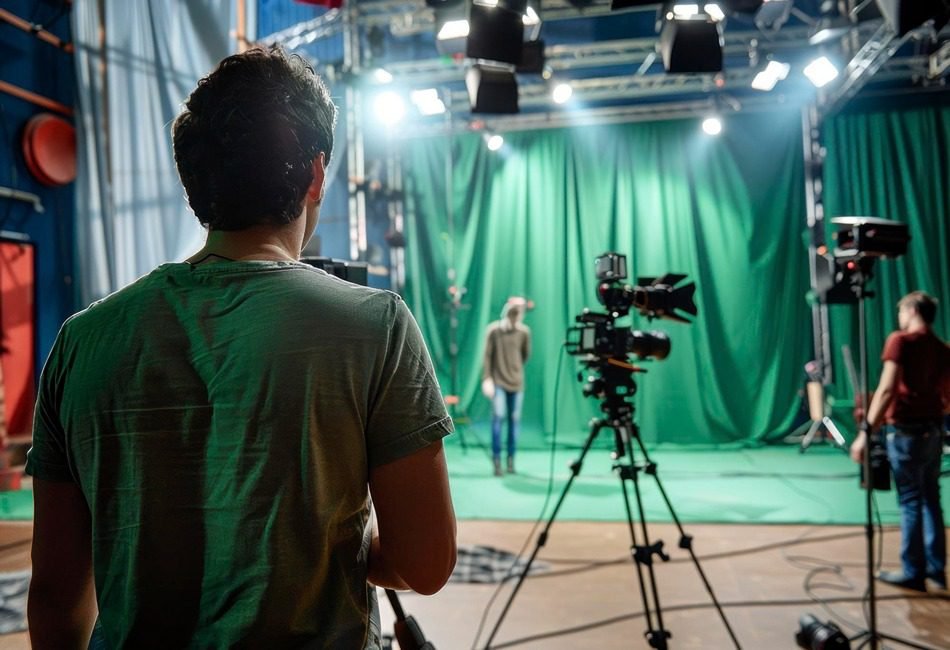
The magic of a great film or a captivating video isn't just in a brilliant script or charismatic actors; it's meticulously crafted by an army of unsung heroes behind the camera. Their expertise, dedication, and problem-solving prowess transform raw ideas into the visual and auditory experiences that move us. Diving deep into Production & Filming Insights means understanding these craftspeople – the key crew members whose experiences shape every frame and sound wave, and the dynamic market forces that define their industry.
It's a world where creativity meets rigorous planning, where artistic vision clashes with budget realities, and where cutting-edge technology continuously redefines what's possible.
At a Glance: Key Takeaways from the Set and the Market
- The Maestros Behind the Scenes: Key crew roles like DoP, Production Designer, Sound Designer, Costume Designer, Special Effects Coordinator, and Editor are the backbone of any production, each mastering a unique craft to bring stories to life.
- A Booming Industry: The global film and video production market is a powerhouse, valued at USD 297 Billion in 2024 and projected to hit USD 429.8 Billion by 2034, driven largely by digital content demand.
- Digital Dominance: Streaming platforms and social media are major market drivers, with 68% streaming growth and 54% social media video consumption pushing demand for fresh content.
- High Stakes, High Costs: Budget overruns (up 47%) and production delays (39%) remain significant challenges, impacting profitability, especially for smaller studios.
- Tech-Forward Future: Virtual production (62% usage) and AI-driven editing/VFX solutions (48% adoption) are rapidly changing how films are made, offering both creative opportunities and cost efficiencies.
- Global Hotspots: North America leads with 42% of the market share, followed by Europe (27%) and the fast-growing Asia-Pacific region (21%).
- Diverse Content Landscape: From animated features (33% of market demand) to short-form videos for TikTok and Instagram, the industry is segmenting to meet varied consumer appetites.
- Collaboration is Key: A 59% increase in co-productions and 44% partnerships with OTT platforms highlight a trend toward shared resources and expanded reach.
The Unseen Architects: Inside the Minds of Key Crew Members
Every flicker of light, every rustle of fabric, every perfectly timed cut you see on screen is the result of immense skill and countless hours from dedicated professionals. They are the true architects of our cinematic worlds, working under pressure, often unnoticed, but always indispensable.
The Director of Photography (DoP): Painting with Light and Lenses
The DoP, or Cinematographer, is arguably the director's most crucial visual collaborator. They craft the film's entire visual narrative, translating the script's emotional core into compelling imagery. This involves intricate choices about camera angles, movements, lens selection, and above all, lighting. A good DoP doesn't just illuminate a scene; they sculpt it, creating mood, emphasizing character, and guiding the audience's eye.
Their daily grind often means adapting on the fly, wrestling with tight schedules, and making creative compromises without sacrificing the overall vision. Imagine the challenge of shooting a period drama one week and a gritty sci-fi thriller the next; each demands a completely different visual language and technical approach. It's a testament to their artistry and technical mastery that they can seamlessly transition, delivering stunning visuals regardless of the environment or the director's specific vision.
The Production Designer: Building Worlds from Scratch
Before a single actor steps onto a set, the Production Designer has envisioned and created the physical world they will inhabit. From grand historical palaces to futuristic alien landscapes, they are responsible for the aesthetic feel of the film. Their job starts with deep research and concept art, then moves into set construction, location scouting, and dressing, all while meticulously managing a budget that can run into the millions.
Transforming an ordinary warehouse into a medieval dungeon or a contemporary street into a bustling scene from the 1920s requires an incredible eye for detail and logistical prowess. They constantly balance artistic ambition with practical constraints, ensuring that every prop, every paint color, and every structural element serves the story and stays within financial boundaries. Their work is a silent character in itself, grounding the narrative in a tangible reality.
The Sound Designer: Orchestrating the Auditory Experience
We often underestimate the power of sound in film, yet it's profoundly impactful. The Sound Designer crafts the film's entire auditory experience, building unique soundscapes that can evoke emotions, heighten tension, or transport you to another world. This isn't just about recording dialogue; it's about foley artistry, ambient sounds, special effects, and the overall sonic texture that complements the visuals.
Their challenges range from capturing pristine audio on a noisy set to manipulating abstract sounds to create something entirely new and resonant. Then comes the complex task of mixing these layers for diverse cinema environments, ensuring the film sounds as powerful in a massive theater as it does on a streaming platform. A perfectly placed creak, a distant siren, or the subtle hum of a spaceship can entirely redefine a scene, a testament to the meticulous work of the sound department.
The Costume Designer: Weaving Character into Fabric
Costumes are far more than just clothes; they are an extension of a character's personality, their history, and their place in the story. The Costume Designer researches, designs, and produces every garment seen on screen, from the mundane to the magnificent. This involves sourcing materials, collaborating closely with actors to ensure comfort and authenticity, and making crucial adjustments for stunt work or integration with special effects.
Imagine the intricate work required for a historical epic, where every button and stitch must be period-accurate, or a fantasy film, where entire new cultures are expressed through sartorial choices. They might need to create multiple versions of the same outfit for different stages of wear or for stunts, all while maintaining a cohesive vision. Their designs help actors inhabit their roles more fully, telling a story even before a word is spoken.
The Special Effects Coordinator: Creating Movie Magic (Safely!)
From a car exploding in a thrilling chase to a mystical creature materializing out of thin air, the Special Effects Coordinator is responsible for designing and executing the "movie magic" that adds excitement and realism to a film. They work with both practical (mechanical, pyrotechnic) and digital effects, ensuring that every illusion is not only spectacular but also perfectly safe for the cast and crew.
This role demands constant innovation, pushing the boundaries of what's technologically possible while adhering to strict safety protocols. They integrate physical effects seamlessly with digital enhancements, often blurring the line between reality and illusion. The growth of immersive technologies, for instance, has meant a 37% investment in XR-based filmmaking, presenting new playgrounds for effects teams. Their ability to deliver believable spectacle is crucial for captivating audiences, whether it's a subtle atmospheric effect or an earth-shattering cataclysm.
The Editor: Piecing Together the Story's Soul
The Editor is the film's final storyteller, shaping the raw footage into a cohesive and compelling narrative. They select the best takes, sequence scenes, and meticulously craft the pacing and rhythm of the film, making crucial decisions that can entirely change a viewer's emotional response. A film is often "found" in the editing room, where disparate pieces are woven into a coherent whole.
Working under tight deadlines, often with mountains of footage, editors must possess an uncanny sense of story and timing. They influence the film's mood, build suspense, and ensure character arcs resonate. Their work transforms a collection of shots into a moving experience, proving that sometimes, what you choose to leave out is just as important as what you keep in. Discover Life Below Zero Next Generation illustrates how skilled editing can shape an entire series, making daily survival in extreme conditions riveting.
Beyond the Lens: The Global Landscape of Film & Video Production
The artistry of individual crew members is set against the backdrop of a massive, dynamic industry. The global film and video production market is a powerful economic engine, valued at an impressive USD 297 Billion in 2024. Looking ahead, experts project it to reach USD 429.8 Billion by 2034, growing at a steady CAGR of 3.21% from 2025 to 2034.
This isn't just about blockbuster movies; "film and video" encompasses a vast array of content. While "film" traditionally refers to projects captured on clear film stock for projection, the modern industry largely uses digital means. The sector includes everything from production firms and major movie studios to animation houses, scripting services, and pre-production specialists. It's a complex ecosystem playing vital roles across every stage of content creation, distribution, and even education.
What's Driving the Demand? The Digital Content Explosion
The insatiable global appetite for digital content is the primary engine fueling this market's growth. With a staggering 68% growth in streaming services and 54% of social media consumption dedicated to video, audiences are constantly seeking new narratives and engaging visuals. This surge isn't confined to long-form content; the growth of short-form video on platforms like TikTok, Instagram Reels, and YouTube Shorts creates new, lucrative opportunities for digital and mobile-friendly content firms. Globally, 3 billion users watch video content monthly, with 90% doing so on mobile devices, highlighting a massive, accessible audience.
The Price of Perfection: Production Challenges
Despite the market's robust growth, the industry faces significant hurdles, primarily high production costs. Expenses for performers, specialized crew, cutting-edge equipment, complex visual effects (VFX), and securing prime locations can quickly escalate. This is evidenced by a concerning 47% increase in budget overruns and 39% delays, significantly impacting profitability, especially for smaller production companies and independent filmmakers. For instance, screen production expenditure in Queensland experienced a sharp 57% fall, demonstrating the sensitivity of regional markets to these financial pressures.
Riding the Wave: Emerging Trends & Technologies
Innovation is key to overcoming these challenges and unlocking new creative potential. The industry is rapidly adopting advanced technologies:
- Virtual Production: Usage has surged to 62%, allowing filmmakers to create realistic digital environments in real-time, offering unprecedented creative control and potential cost savings on location shoots.
- AI-Driven Solutions: 48% of studios are integrating AI for editing and VFX, streamlining post-production workflows and opening new avenues for visual storytelling.
- Immersive XR: Investments in Extended Reality (XR)-based filmmaking are up 37%, pushing boundaries in interactive and virtual experiences.
- Affordable Tech: The proliferation of more affordable professional cameras and editing software is democratizing filmmaking, empowering a new generation of independent creators.
- Professional Camera Platforms: While accessible tech grows, the demand for high-end professional camera platforms remains strong for large-scale productions.
New Horizons: Opportunities for Content Creators
Beyond traditional film and TV, new niches are flourishing:
- Short-Form Video: A booming segment driven by social media, offering vast potential for engaging, bite-sized content.
- Cultural Exports: The global reach of content is immense, with South Korean cultural exports, for example, totaling USD 9.85 billion, showcasing the power of diverse storytelling on the international stage.
- Co-Productions & Partnerships: There's a 59% increase in co-productions and 44% partnerships with OTT platforms, indicating a collaborative approach to mitigate risk and expand audience reach.
The Pandemic's Echoes and a Resilient Comeback
The COVID-19 pandemic dealt a severe blow to the film and video production industry, causing widespread production disruptions, rescheduled releases, and substantial financial losses due to lockdowns and safety protocols. However, the market has shown remarkable resilience, with growth now returning to pre-pandemic levels, driven by pent-up demand and accelerated digital adoption.
On-location filming, which adds over USD 670,000 per day to local economies, stimulating local businesses by 45%, is a key aspect of this recovery. The UK, for example, saw its film and high-end TV production spending rise by 30% to £5.6 billion in 2024, demonstrating robust sector growth and economic contribution.
Segmenting the Story: Who's Making What, and How?
The film and video market is incredibly diverse, categorized both by the type of content produced and the entities creating it.
By Type of Content:
- Animated: A major segment, significantly driven by advancements in 3D, CGI, and increasingly, AI. Animation accounts for 33% of market demand, appealing to global audiences of all ages.
- Commercials: Remain vital for marketing and advertising, constantly evolving with new visual trends and digital platforms.
- Films: The traditional cornerstone, distributed globally via theaters, streaming platforms, and television.
- Music Videos: Essential for artists, these productions blend visual storytelling with music to enhance artistic expression and promotion.
- Television Shows: Produced for both traditional broadcast TV and a rapidly expanding array of streaming services, offering diverse genres and formats.
- Video Content: A broad category encompassing corporate videos, educational content, and a vast amount of social media content, reflecting the ubiquity of video in daily life.
By Application:
- Film Companies: These entities are often responsible for the entire lifecycle of a production, from concept and financing to physical production and distribution.
- Film Studios: Provide the physical infrastructure, technical resources, and often the financing for large-scale productions, acting as hubs for creativity and technical expertise.
- Other Diverse Content Creators: This vast category includes independent filmmakers, digital content agencies, corporate video producers, and individual creators leveraging platforms like YouTube and TikTok.
Power Players & Regional Hotbeds
The competitive landscape is dynamic, with established giants coexisting with nimble smaller studios. The top five players currently hold 38% of the market share, focusing on R&D, strategic partnerships, and vast distribution networks. Companies like Viacom, operating in over 180 countries and reaching more than 1 billion viewers, and NBC Universal, with over 35 production facilities serving 1.2 billion people, exemplify this scale. They are constantly innovating, as shown by NBC Universal securing 21 Golden Globe nominations in December 2024. Other key players include Dream Works Pictures, The Weinstein Company (though now defunct in its original form), The Walt Disney Company, and Lions Gate Entertainment. Meanwhile, 56% of small studios are expanding their digital-first strategies, finding new audiences and revenue streams online.
Regionally, North America remains a titan, leading global trends with a strong presence of major studios, independent filmmakers, and technological innovators, commanding 42% of the market share. Europe boasts a dynamic industry, celebrated for its rich cinematic heritage, robust government support for the arts, and proactive digital transformation efforts (27%). Asia-Pacific is the fastest-growing market (21%), propelled by burgeoning digital consumption, expanding streaming services, and significant regional content investments, particularly from powerhouses like South Korea and India.
Your Path Forward: Practical Steps for Aspiring Filmmakers & Industry Pros
Navigating this evolving landscape requires a blend of artistic vision, business acumen, and adaptability.
- Embrace Technological Upgrades: Stay current with virtual production tools, AI-driven editing, and XR technologies. Investing in learning these skills can give you a significant competitive edge, allowing for more creative freedom and potential cost savings.
- Strategic Budgeting & Resourcefulness: High production costs are a reality. For independent filmmakers and small studios, this means exploring creative financing options, leveraging affordable high-quality equipment, and mastering efficient production workflows. Look into regional tax credits and co-production opportunities to stretch your budget further.
- Understand Your Audience: Consumer preferences are rapidly changing, favoring interactive content and diverse storytelling. Focus on creating engaging, mobile-friendly content, especially for short-form video platforms. Market research into regional preferences, like the demand for K-content, can unlock new opportunities.
- Forge Partnerships: The trend of increased co-productions and partnerships with OTT platforms isn't just for major studios. Smaller creators can benefit immensely from collaborating with others, sharing resources, and expanding their reach to new audiences.
- Location, Location, Location: If your project allows, consider the economic benefits of on-location filming. The stimulus it provides to local economies can translate into community support and potentially more favorable local permits or resources.
- Continuous Learning: The industry is a constant state of flux. Commit to ongoing learning—whether it's new software, innovative storytelling techniques, or understanding emerging distribution models.
The Future is Now: What's Next for Production & Filming Insights?
The world of film and video production is an exhilarating, challenging, and endlessly rewarding realm. From the meticulous detail of a Costume Designer's stitch to the Editor's masterful cut, every aspect contributes to a narrative larger than itself. The industry is not just bouncing back from past disruptions; it's evolving, driven by technological leaps, insatiable digital demand, and a global hunger for diverse, compelling stories.
For those aspiring to be part of this vibrant world, or simply to better appreciate the artistry involved, understanding these insights is paramount. The future will be defined by those who can blend artistic integrity with technological prowess, innovate within budgetary constraints, and above all, tell stories that resonate deeply with a continuously evolving global audience. The curtain is always rising on new possibilities.